11th July, 2022

Coast Surfing Beaches


Follow us


Coast Nature Beaches
The seafaring side of the Basque Country can be found along the jagged line where the Basque Coast meets the Bay of Biscay.
A rough landscape of crashing waves, viewpoints atop dizzying cliffs, quiet fishing villages harbouring memories of intrepid navigators ready to sail around the world... From east to west, following the setting sun, we suggest a route through some of the essential spots on the coast of Bizkaia and Gipuzkoa provinces. Are you with us?
Author: La Cosmopolilla
A charming spot beside the border
The river Bidasoa marks the natural between Hendaya, in the French Basque Country, and Hondarribia on its left bank. Just 20 kilometres from San Sebastián, this small town of some 17,000 inhabitants conserves all the charm of a mediaeval walled town, especially in the old quarter and Portua, the former fishing district. It is a wonderful experience to simply lose yourself among the cobbled streets of the old town, full of impressive buildings, churches and aristocratic houses with their wrought iron balconies.
A highlight of all this heritage is the castle of Charles V - today a state 'parador' or hotel - where this holy Roman emperor himself stayed. The castle of San Telmo was built, together with a series of towers and forts, to protect the Bidasoa estuary against pirate attacks. However, the most typical postcard view of Hondarribia is of the picturesque coloured houses with their wooden balconies decorated with flowers, in the harbour district of La Marina. Without a doubt one of the most striking images of the Basque Coast.
Pearl of the Bay of Biscay
The spirit of the Belle Époque lives on in the most elegant, personality-packed city on the coast, known as San Sebastián. It was Queen María Cristina of Spain who made the capital of Gipuzkoa province fashionable in the late 19th century. The landmark buildings of that grand time such as the Gran Casino (now the town hall), the Victoria Eugenia theatre, the funicular station and the María Cristina hotel saw the first tourists arrive on La Concha beach.
Today the city shines thanks to the fusion of its splendid past with a high international profile: events like the film festival, the jazz festival and its musical fortnight put it in the media spotlight every year. A vibrant, pleasant city, it boasts a rich cultural scene and top-class food to delight the most demanding palates. It's a real pleasure to go and try some pintxos in the old town of Donostia / San Sebastián!
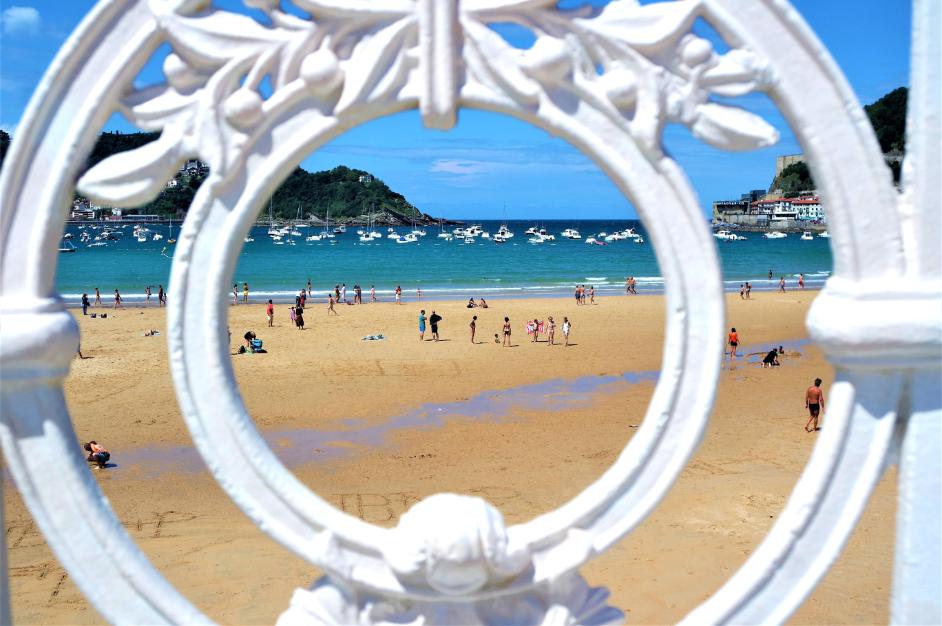
Surfing mecca
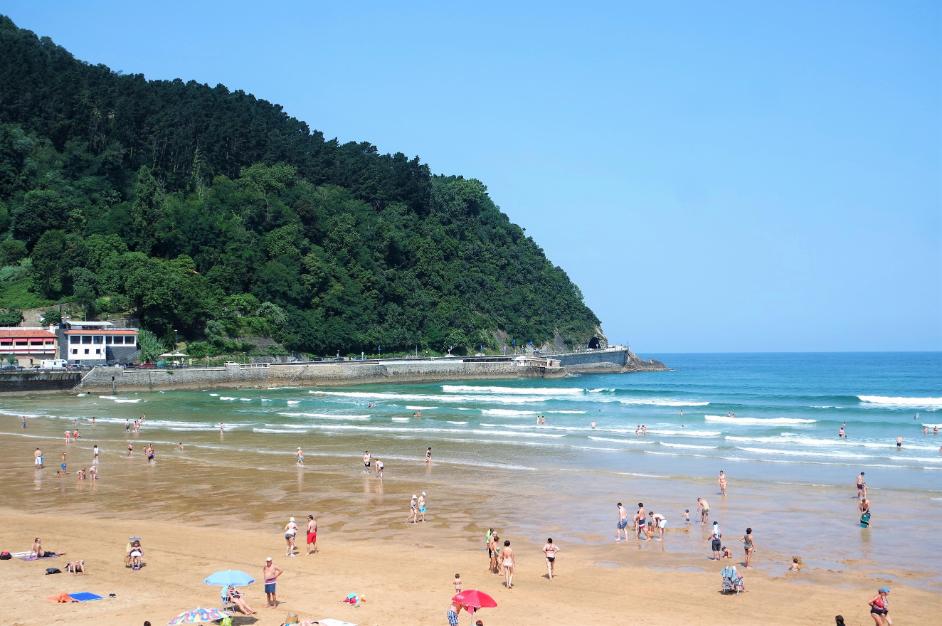
We carry on in search of the most outstanding landmarks on the Basque Coast. Here we have to mention two queens. The first, of flesh and blood: Isabel II. This queen of Spain chose this town, a whaling port in days gone by, to spend the summer beside the Bay of Biscay, fleeing the heat of the centre of Spain. The other one has no crown, but is certainly immortal: "The queen of beaches". Nearly 3 kilometres long, Zarautz has the longest beach on the Basque coast. Its waves have attracted surfers from all over the world for decades, and every year the international Pro Zarautz competition is held here - for professionals only!
A recommendation? Take a walk along the pleasant promenade to neighbouring Getaria, birthplace of the first sailor to circumnavigate the globe, Juan Sebastián Elcano.
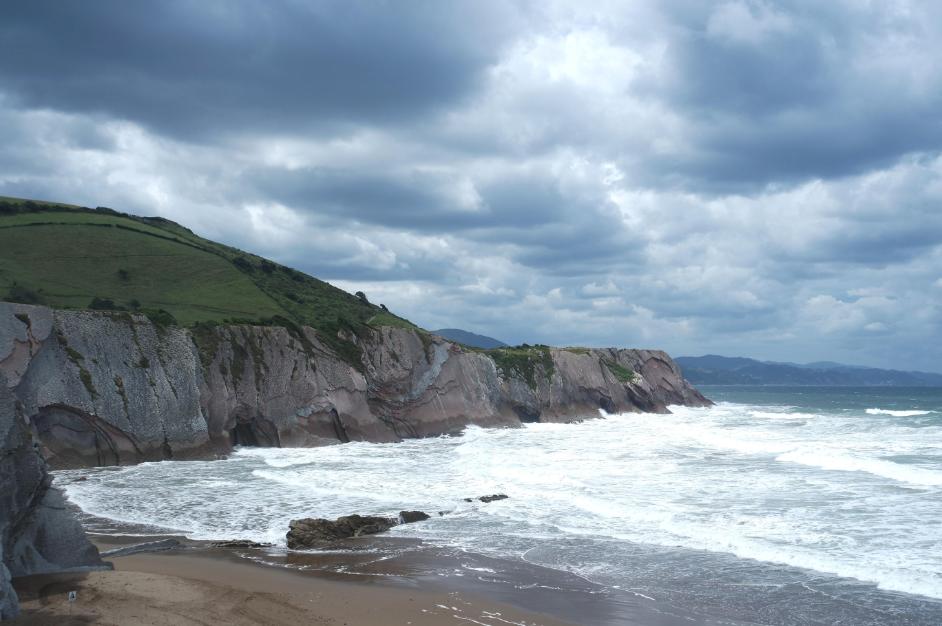
A geological marvel that manifests itself in sharp, jagged creases. Or perhaps gouged out from the rocky cliffs by the talons of some colossal prehistoric beast. The Flysch landscape of Zumaia was already fascinating long before fictional dragons spread their wings over the cliffs in the most famous television series ever, Game of Thrones.
Listed by UNESCO as a Global Geopark, this flysch outcrop is one of the most stunning places on the Basque coast - simply essential.
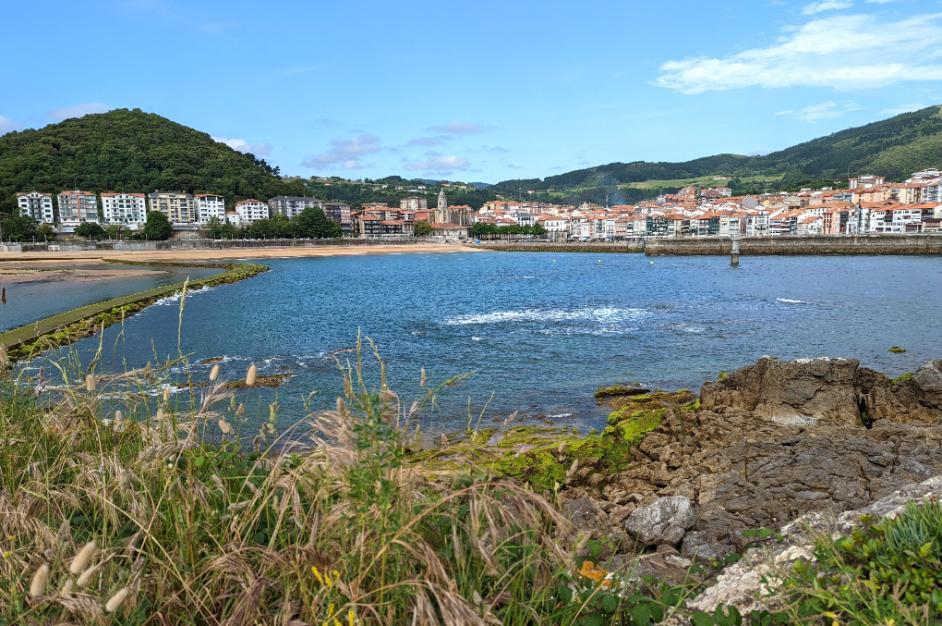
Now we come to the Bizkaia coast. A delicious place to stop is the lively fishing harbour of Lekeitio, at the mouth of the river Lea. Nestling between the sea and the mountains of Otoio and Lumetza, it has a well-preserved old quarter with grand town houses and traditional taverns where you can savour some txakoli wine.
The bell tower of the basilica of La Asunción strikes the hours in time with the tides - at low tide you can walk to the island of Garraitz. Forested and with stunning views of the bay, in bygone days the island was a refuge for both pirates and hermits.
An amphitheatre beside the sea
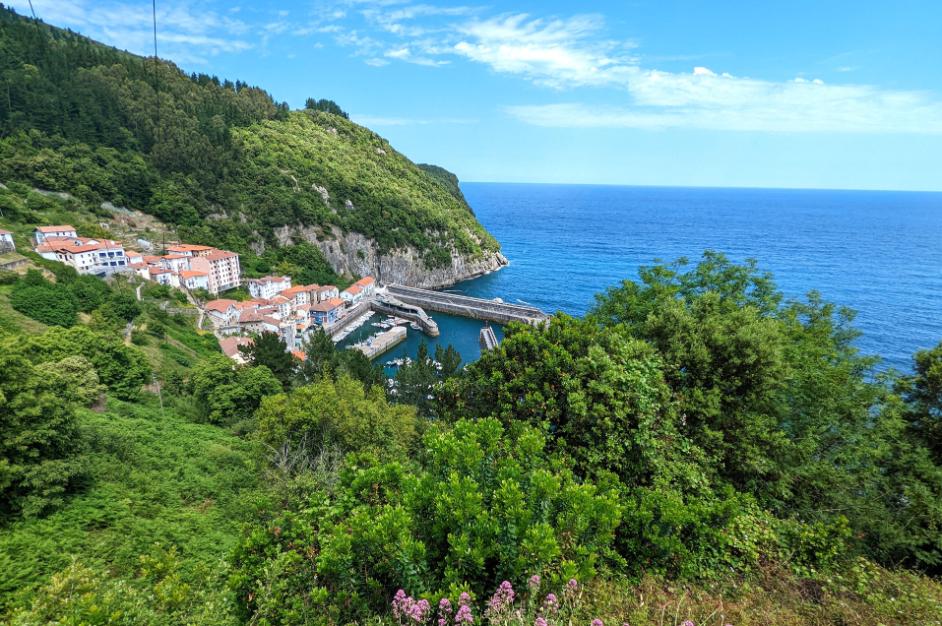
The rocky crags of cape Ogoño reach out into the sea to form a natural harbour, taken advantage of by the inhabitants of Elantxobe.
The houses with their red-tiled roofs tumble down impossible slopes with winding stairways in a picturesque scene, a balcony overlooking the Bay of Biscay. Anybody looking for an authentic seaside town should set their GPS to Elantxobe.
It is hard to pin down the varied beauty created by the river Oka as it runs down to the sea: wetlands rich in wildlife, home to ospreys, bitterns and spoonbills, among other native bird species. The Urdaibai Bird Center was set up to study and conserve them, an observatory on the estuary itself near Gautegiz Arteaga. But there's much more to Urdaibai: a landscape shaped by human hands, where traditional occupations continue as an example of sustainability.
Wineries making organic wine, unspoilt beaches like Laga, cave paintings like those of Santimamiñe and the fishing harbour of Mundaka are some of its essential sights. Not forgetting Gernika-Lumo, the cradle of Basque identity.
Former capital of Bizkaia
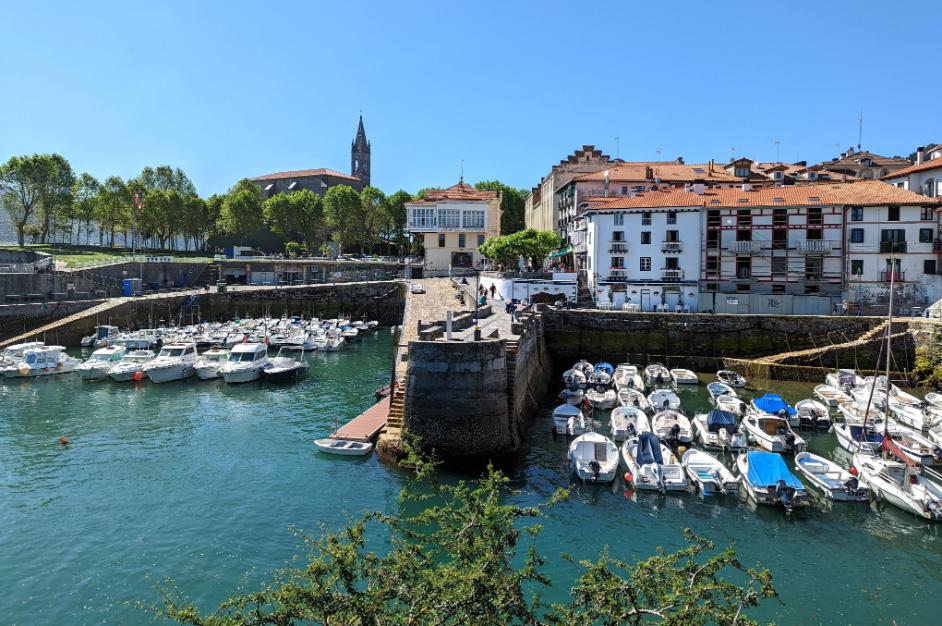
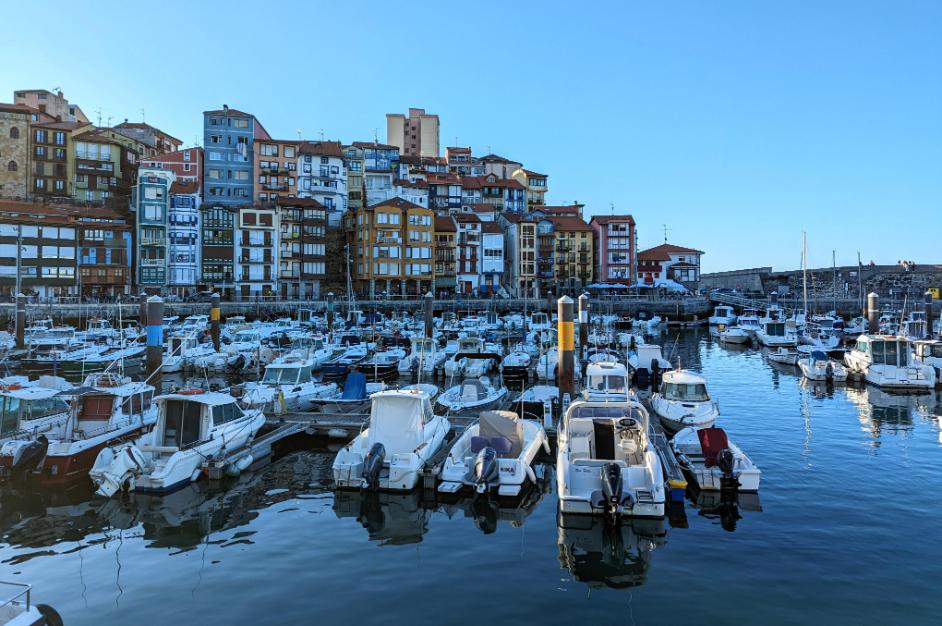
The sculpture of the globe on the harbour in Bermeo recalls the bold navigators who set sail with their compatriot Juan Sebastián Elcano on the greatest voyage ever undertaken. Gulls swoop among a mosaic of colourful boats. In the background, the silhouette of the Ercilla tower and the windows of the buildings reflect the sunset. The view of Bermeo, the mediaeval seat of the lords of Bizkaia, is simply inspiring.
This is the beginning of a unique route, along a rugged coastline with viewpoints and crags perched over a crashing sea,to our next port of call, one of the most legendary places on the Basque Coast.
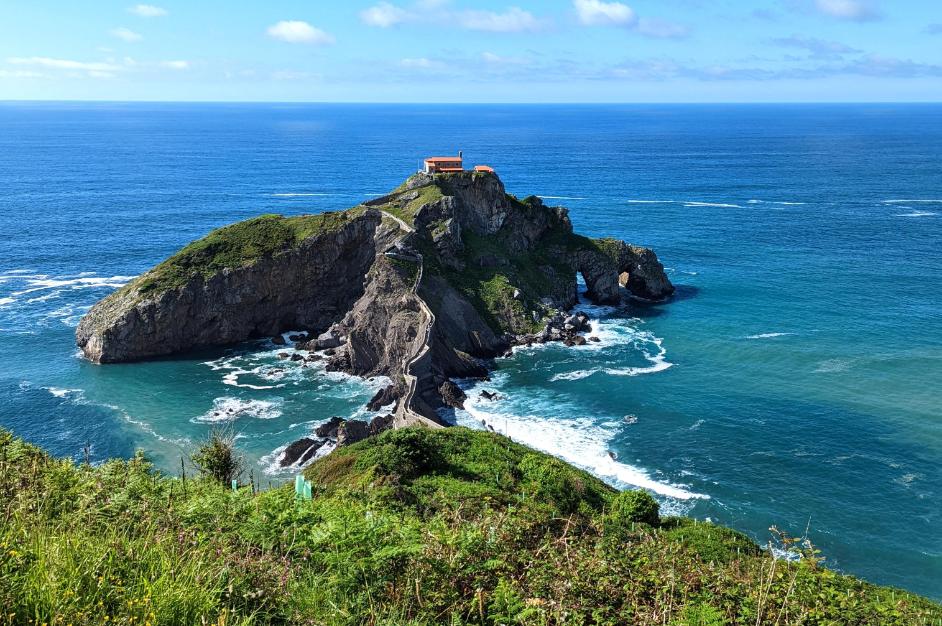
A stone bridge and a winding stairway of 241 steps lead to the most famous chapel on this coastline. San Juan de Gaztelugatxe has a unique energy. Lashed by the Atlantic waves, defying wind and sea, this small church inhabited by monks since the 12th century has been rebuilt several times after destruction by fire and pirates.
Tradition dictates treading in the "footprint" left by Saint John the Baptist for good luck and ringing the chapel bell three times to ward off evil portents. So be it.
While not as well-known as that of Zumaia, it does justice to its name: from the viewpoint over the stunning beach of Barrika you can understand perfectly the meaning of this German word, which means "ground that flows".
The marine rock strata in layers emerge from the sand to create a bizarre, unworldly landscape. A truly surprising geological gem.

61 metres high, linking Getxo to Portugalete, stands the first transporter bridge in the world to be built with a metal structure.
A feat of late 19th-century engineering at the end of the Bilbao estuary, it still works today and is listed as a World Heritage Site. Unmissable.

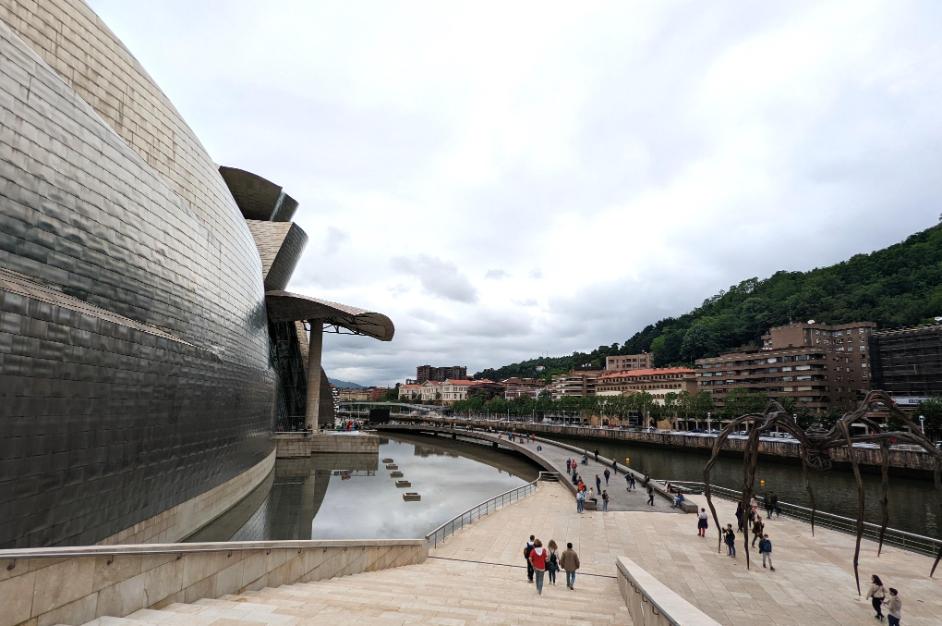
We end our route along the Basque Coast in the modern capital of Bizkaia province. Apart from the famous Guggenheim museum, symbol of the city's rebirth, Bilbo - as it is known in Basque - is a place to enjoy as you savour pintxos in the taverns of the old town, the nerve centre of which is the Plaza Nueva.
Take the funicular up Monte Artxanda at sunset to enjoy the finest views of Bilbao spread out beneath you, with countless cultural and artistic options to choose from in a fabulous, lively, cutting-edge city where there's just no room to be bored.
Author: La Cosmopolilla
Coast Surfing Beaches

Coast Nature Rioja Alavesa Mountains and Valleys